Honouring Buddhist Funeral Rites in Singapore
In Singapore, Buddhism is one of the most widely practised faiths. Understanding what a Buddhist funeral involves, and the sacred role that monks play within it, helps families prepare thoughtfully and honour their loved one with the respect and reverence they deserve.
Understanding Buddhist Funerals
Buddhist funerals are rooted in the belief that death is not an ending but a transition from one life to the next, a process known as samsara. Buddhist funerals allow family and friends of the deceased to honour them, while also generating merit to ease their spiritual journey onwards.
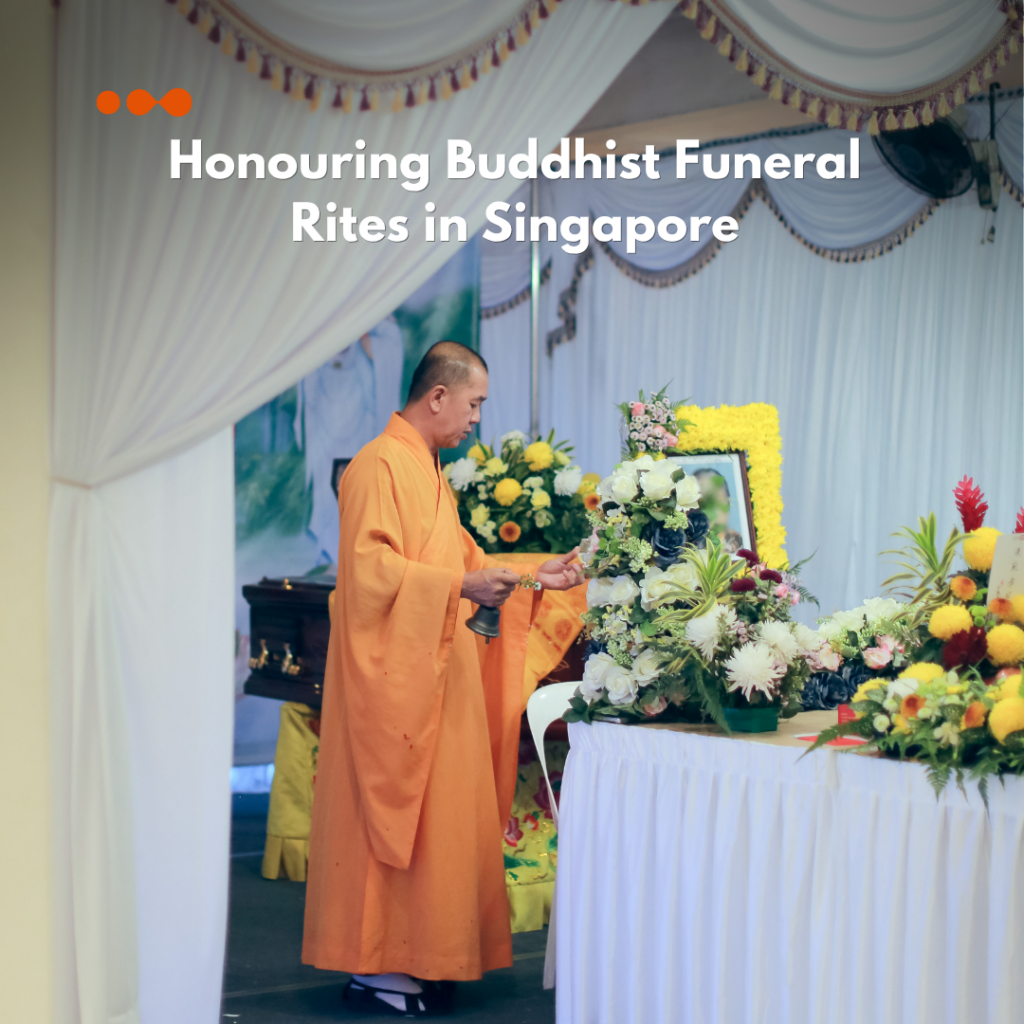
The presence of monks is often one of the most important aspects of a Buddhist funeral. Through prayers, teachings, and ceremonial guidance, monks help ensure that funeral rites are conducted respectfully and in accordance with Buddhist traditions.
The Central Role of Monks in Funeral Ceremonies
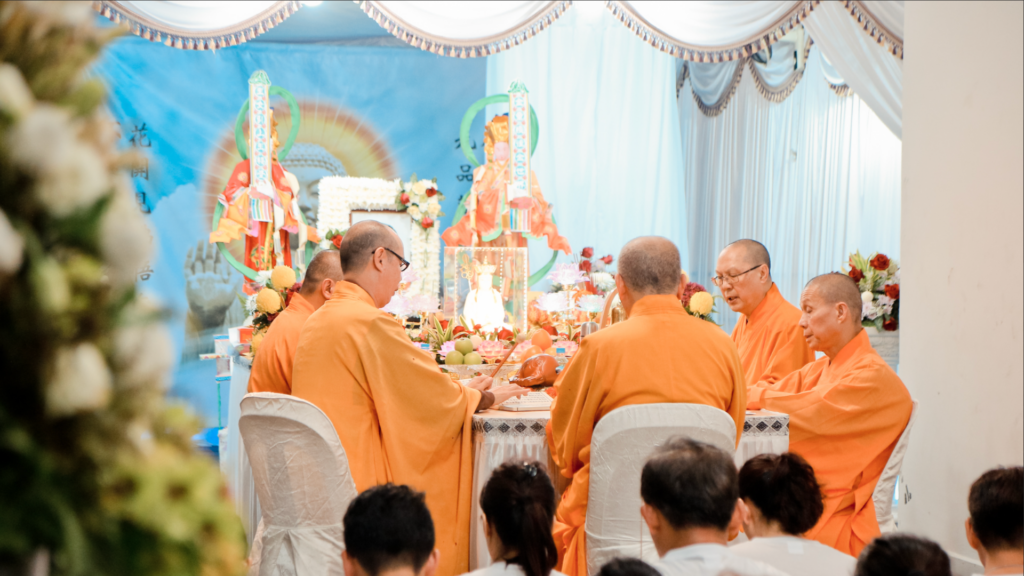
Monks play an important role in Buddhist funerals, their presence brings comfort to grieving families while helping to maintain the solemn and sacred nature of the funeral rites. With profound knowledge on Buddhist teachings and scriptures, monks conduct ceremonies that encourage reflection on life’s impermanence while dedicating merits to the deceased. They also help family members better understand the spiritual significance of the rituals being performed.
For many Buddhist families, inviting monks to lead funeral rites is seen as a meaningful way to honour the deceased and uphold long-standing religious traditions. In most cases, funeral directors would help the family coordinate with Buddhist monks to lead the prayer sessions and chanting rituals.
Key Rituals Led by Monks at Funerals
1. Leading Chants and Sutras Recitation
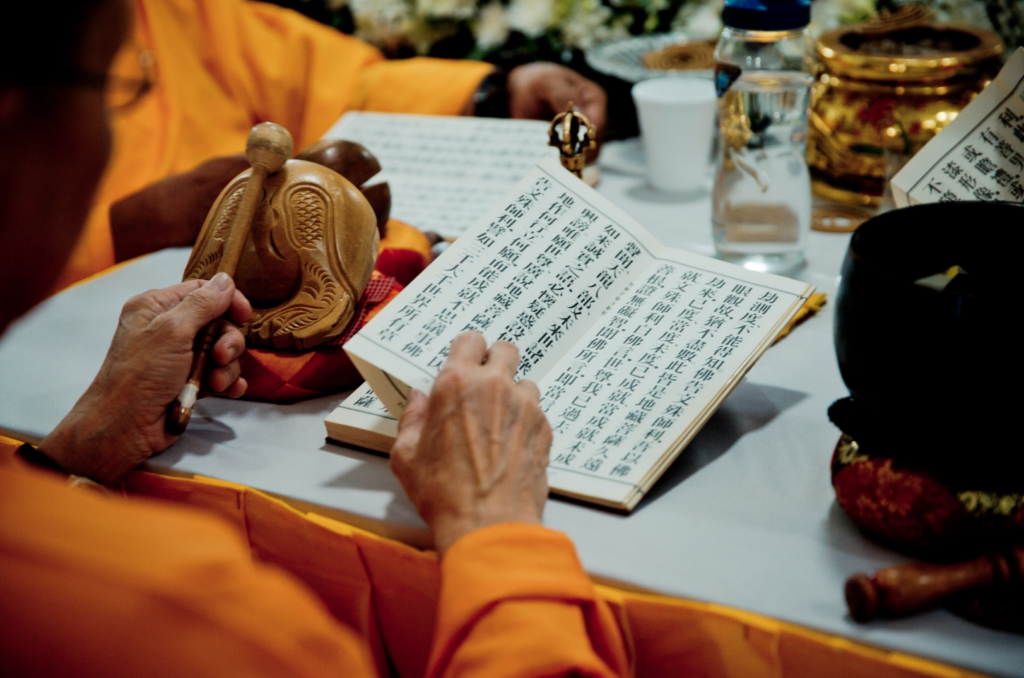
Chanting is one of the most recognisable elements of a Buddhist funeral. Monks lead the recitation of sutras and scriptures which are believed to generate merit and create favourable conditions for the deceased’s rebirth. The chanting ceremonies are performed upon the arrival of the casket, throughout the wake, and on the final day before the casket is sent off for burial or cremation.
2. Offering Sermons and Prayers
In addition to chanting, monks may deliver brief sermons that draw upon Buddhist teachings to help mourners better understand grief, impermanence, and the cycle of life and death. These teachings often emphasise compassion, gratitude, and acceptance, helping families find meaning and comfort amidst loss. Monks may also offer prayers dedicated to the deceased, expressing wishes for peace and a favourable rebirth.
3. Providing Spiritual Guidance to the Family
Monks also often provide spiritual guidance to grieving families, offering perspective rooted in Buddhist teachings on grief, attachment, and the nature of loss. This may help the bereaved hold their sorrow within a wider understanding.
Monks may advise families on acts of merit-making they can continue after the funeral such as,
- donating to charitable causes in the deceased’s name,
- offering meals to monastics,
- adopting a vegetarian diet,
- or continuing to chant and recite sutras on the seventh day, forty-ninth day, and hundredth day anniversaries of the passing
These ongoing practices give the family a meaningful way to stay connected to their loved one and to their own spiritual lives.
Honour Your Loved One with a Thoughtful Buddhist Funeral in Singapore
Planning a Buddhist funeral involves balancing religious traditions, family wishes, and practical arrangements during a difficult time. Having experienced support can help families navigate funeral rites with greater confidence and peace of mind.
At Direct Funeral, we assist families in arranging Buddhist funeral services that respect traditional customs while providing compassionate support throughout the funeral process. To learn more about our Buddhist funeral packages, email us at info@directfuneral.com.sg or call our 24/7 helpline at +65 6555 1115.