
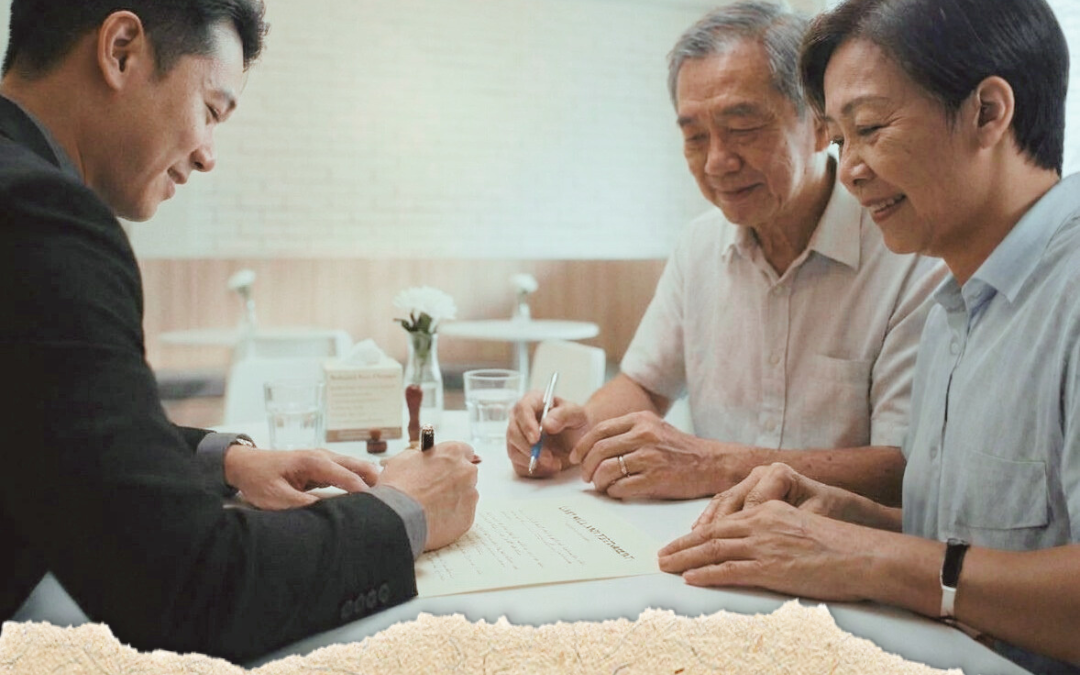
Conversations about death are often difficult, but discussing funeral plans in advance can reduce uncertainty and stress for loved ones. In Singapore, where funeral practices vary across religions and cultures, planning ahead helps ensure that a person’s wishes are respected and arrangements can be made smoothly.
Here are several important topics families should consider in their discussion.
1. Funeral Preferences
Start by discussing the type of funeral a person would prefer. This often depends on religious beliefs, cultural traditions, or personal values.
Key questions include:
- Religious or non-religious funeral rites (e.g., Buddhist, Taoist, Christian, Catholic, Muslim, Hindu, or secular services)
- Whether they prefer cremation or burial
- The style of service, such as a void deck wake, funeral parlour service, or direct cremation
- The length of the wake, which commonly ranges from one to five days
In Singapore, cremation is the more common option due to limited land availability.
2. Funeral Costs and Financial Planning
Funeral costs in Singapore can vary depending on the type of service and religious rites involved.
Families may want to discuss:
- Budget expectations
- Whether funds have been set aside for funeral expenses
- Insurance coverage for funeral costs
- Any pre-arranged funeral plans
Planning financially can help reduce the burden on family members during an emotional time.
3. Important Documents
It is helpful for family members to know where key documents are stored.
These may include:
- NRIC or identification documents
- Will and estate documents
- CPF nomination
- Insurance policies
- Advance Medical Directive (AMD)
An Advance Medical Directive allows individuals in Singapore to state that they do not want extraordinary life-sustaining treatment if they become terminally ill and unconscious.
4. Cultural and Religious Traditions
Many families follow specific funeral customs based on religion or cultural traditions.
You may wish to discuss:
- Religious rituals or prayers
- Dress or mourning customs
- Who will conduct the funeral rites
- Any symbolic items or traditions important to the family
Clarifying these preferences helps ensure the ceremony reflects both personal beliefs and family traditions.
5. Final Resting Arrangements
Families should also discuss what should happen after cremation or burial.
Options in Singapore include:
- Placing ashes in a columbarium niche
- Sea burial
- Ash scattering at designated locations such as the Garden of Peace at Choa Chu Kang Cemetery Complex
Knowing these preferences early helps families plan the next steps more easily.
6. Who Will Manage the Arrangements
Finally, it is useful to identify who will coordinate the funeral arrangements.
This person may need to:
- Contact the funeral director
- Inform relatives and friends
- Arrange the wake and service
- Handle administrative matters
Having a clear point of contact can help the process run more smoothly.
Why These Conversations Matter
Talking about death is never easy, but planning ahead allows families to focus on honouring their loved one rather than making difficult decisions during a time of grief. Open conversations ensure that funeral arrangements reflect personal wishes while respecting cultural and family traditions.
To start your funeral planning journey with us, please email info@directfuneral.com.sg or call our 24/7 helpline at +65 6555 1115.